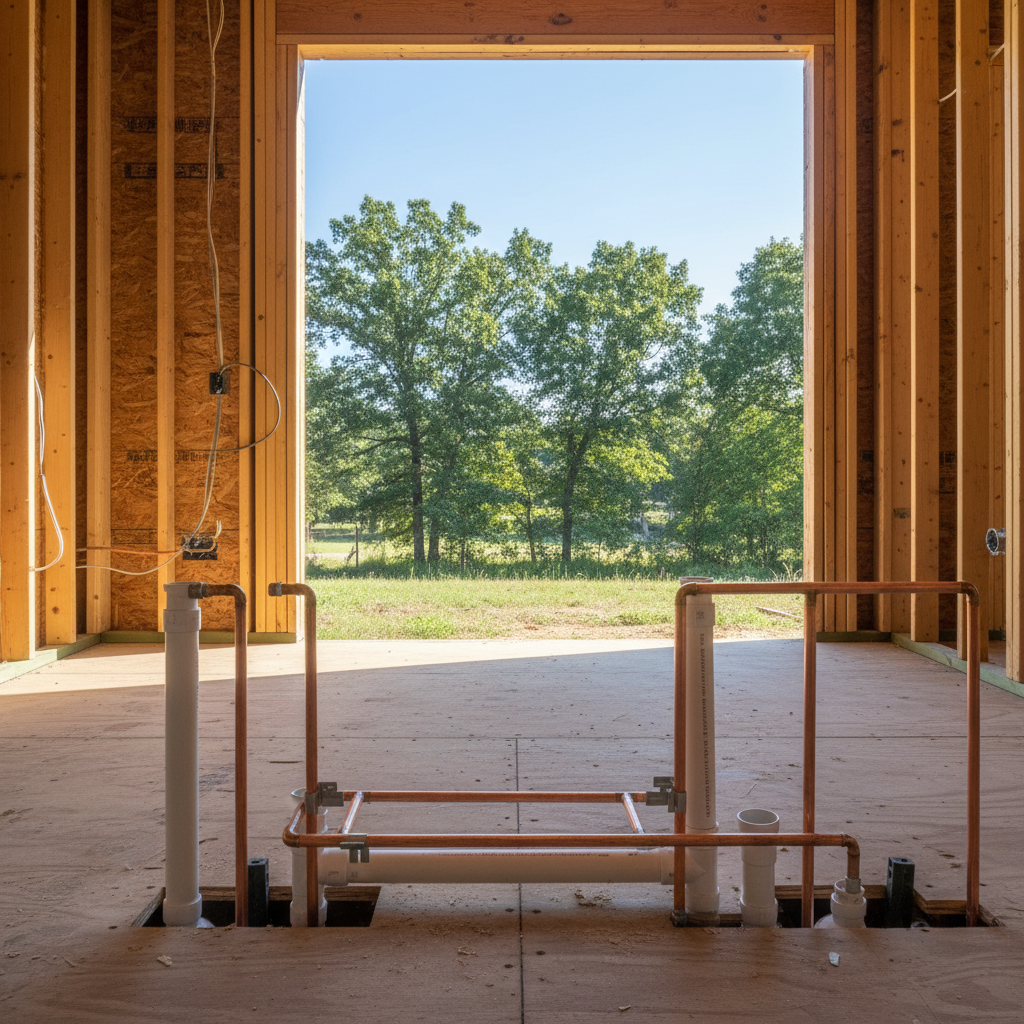
Alright, let's talk about something most folks don't think about until it's too late: your plumbing rough-in. That's all the piping, drains, and water supply lines that are tucked away inside your walls, under your floors, and up in your attic before the fixtures even go in. Once the drywall's up and the cabinets are installed, you don't see it, but it's working hard every single day. As a contractor here in Jenks, I've seen firsthand what happens when these systems get neglected, and trust me, it's not pretty.
Extending the Life of Your Plumbing Rough-In
You want your plumbing to last, right? Of course you do. A big part of that starts with good installation, which is what we always aim for at Prestige Kitchen Solutions. But even the best installation needs a little help from you. First off, be mindful of what goes down your drains. Grease, coffee grounds, hair, 'flushable' wipes that aren't actually flushable – these are all enemies of your drain lines. They build up, cause clogs, and put undue stress on your pipes. Use drain screens in sinks and showers. It's a simple fix that makes a huge difference.
Another thing? Water quality. We've got pretty hard water in Oklahoma, and that mineral buildup, or scale, can really do a number on your pipes over time, especially in hot water lines. Consider a whole-house water softener if you don't have one. It's an investment, sure, but it protects not just your plumbing, but also your appliances like water heaters and dishwashers.
And don't forget about pressure. High water pressure can stress your entire plumbing system, leading to leaks and premature wear. If you hear banging pipes or notice really strong flow, you might have high water pressure. A plumber can install a pressure reducing valve (PRV) to keep things at a safe level, usually around 60-80 psi.
Regular Maintenance: What You Can Do
Okay, so what does 'regular maintenance' actually look like for something you can't see? It's more about prevention and observation. Once a month, run hot water down all your drains for a few minutes. This helps dissolve any grease or soap scum that's starting to build up. For drains that don't get used often, like in a guest bathroom, do this weekly to keep the trap full and prevent sewer gas from coming back up.
Check under sinks and around toilets for any signs of moisture. A small drip today can be a big problem tomorrow. Look at the exposed pipes in your basement or utility room. Are there any signs of corrosion, especially on copper pipes? Greenish-blue stains usually mean there's a slow leak.
In Jenks, we get some pretty wild temperature swings. Those freezing winters can be brutal on pipes, especially if they're in unheated areas like crawl spaces or attics. Make sure any exposed pipes are properly insulated. If you're going away during a cold snap, consider leaving a few faucets dripping slightly to keep water moving and prevent freezing. And when it gets hot, like our 100-degree summers, your water heater works harder, so keep an eye on its efficiency and consider flushing it annually to remove sediment.
Warning Signs You Shouldn't Ignore
Your house usually tells you when something's wrong if you're listening. Here are some red flags:
- Sudden drop in water pressure: This could mean a leak somewhere in your main supply line, either inside the walls or even underground.
- Water stains on walls or ceilings: Obvious, I know, but sometimes they're faint at first. Don't ignore them.
- Musty odors: If you smell dampness or mildew, especially near walls or floors, it's a strong indicator of a hidden leak.
- Gurgling drains or slow drainage: These are classic signs of a developing clog or a venting issue.
- Higher water bills: If your bill jumps without a change in usage, you've likely got a leak somewhere.
- Puddles in your yard: If it hasn't rained and you've got a wet spot, especially near your main water line, that's a problem.
When to Call a Professional
Look, I'm all for DIY, but some things are best left to the pros. If you see any of those warning signs, especially persistent ones, it's time to call in a licensed plumber. Don't try to fix a hidden pipe leak yourself unless you're absolutely sure what you're doing. A small mistake can lead to massive water damage. We've seen it happen too many times in homes around South Tulsa and Jenks.
Also, if you're doing any major renovations that involve moving walls or changing layouts, especially in a kitchen or bathroom, always consult a plumber. Moving existing rough-in lines incorrectly can lead to code violations and future nightmares. It's always cheaper to do it right the first time than to fix a botched job down the road. Peace of mind is worth it, and that's what we aim to provide with our work at Prestige Kitchen Solutions.