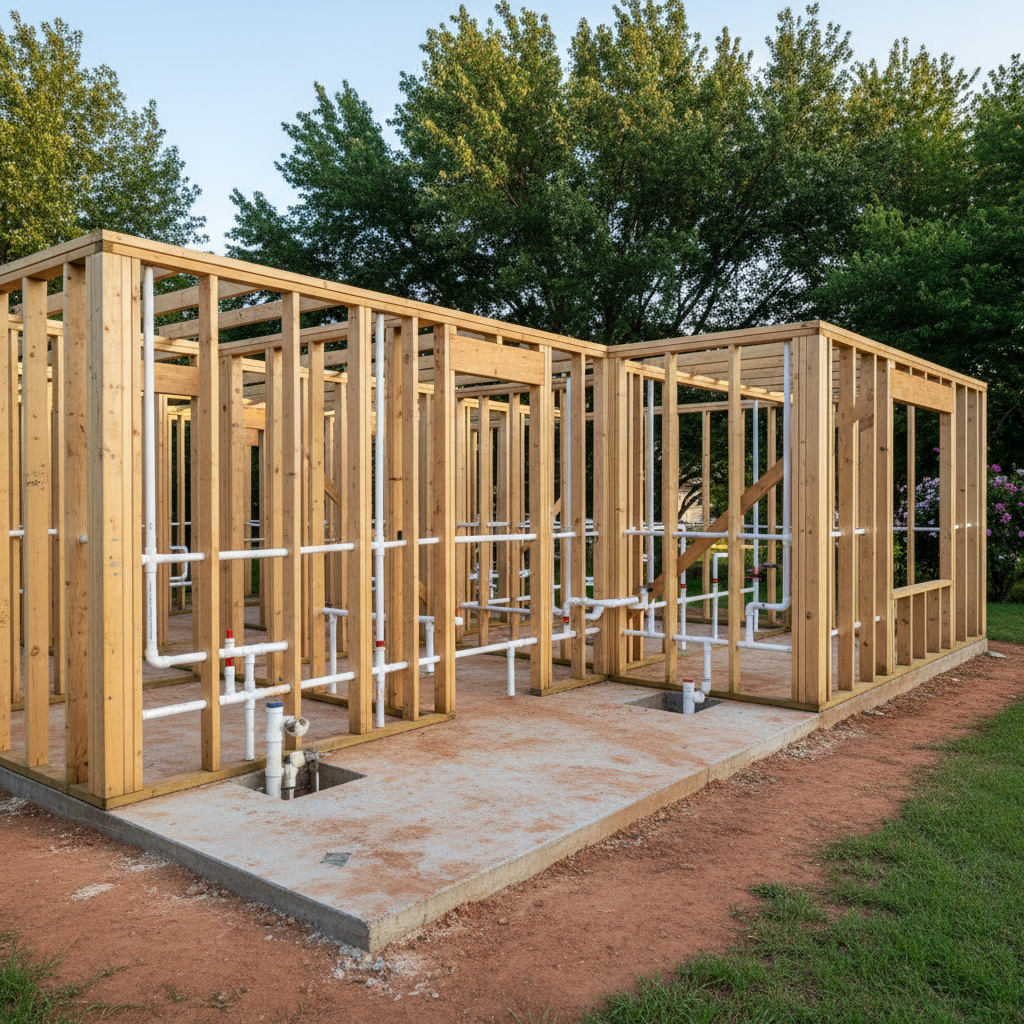
Alright, so you're thinking about a big renovation, maybe adding a bathroom, moving your kitchen, or even building a new home here in Jenks. That means you're going to hit the plumbing rough-in phase pretty early on. This isn't the glamorous part of the project, not by a long shot, but it's absolutely critical. Mess this up, and you're looking at headaches, busted walls, and a lot more money down the road. I've seen it happen too many times, believe me.
What Even IS a Plumbing Rough-In?
Simply put, this is when all the water supply lines, drainpipes, and vent pipes get put inside your walls, floors, and ceilings. This all happens before any drywall or finished surfaces go up. Think of it as the skeleton of your home's plumbing system. No fixtures yet – no sinks, toilets, or showers – just the pipes sticking out where they'll eventually connect. It's a messy stage, sure, but it's where we lay the foundation for a reliable plumbing system.
Timeline: What to Expect
How long does a rough-in take? Well, it really depends on the size and complexity of your project. For a single bathroom addition, you might be looking at 3-5 days of actual plumbing work once the framing is ready. A whole house or a major kitchen and bath remodel, though, could easily stretch to 1-2 weeks. That's just the plumbing part, mind you. This phase usually happens right after the framing is complete and before electrical and HVAC rough-ins, though sometimes they overlap a bit. After the pipes are in, you'll have an inspection by the city or county – that's non-negotiable. Don't let anyone tell you otherwise. This inspection can add a day or two to your timeline, depending on scheduling.
What Happens During the Process?
First, your plumber will review the blueprints or plans with you to make sure everything is where you want it. This is your last chance to make major changes without tearing things out. Then, they'll start running those pipes. You'll see holes drilled through studs, joists, and subflooring. Lots of PVC for drains and vents, and PEX or copper for water supply lines. They'll install shower valves, tub drains, and toilet flanges. It's going to look like a spaghetti factory in there for a bit, but it's all carefully planned. Once all the pipes are in, they'll pressure test the system – usually with air or water – to check for leaks. This is a big deal. You want those pipes to hold pressure for days, sometimes even weeks, before the inspector comes. Any leaks found now are a lot easier (and cheaper) to fix than after your drywall is up.
How to Prepare Your Home and Yourself
Preparation is key to keeping things smooth. Here's what I tell my clients:
- Clear the path: Make sure the work area is easy to get to. Move furniture, clear out storage, anything that's in the way of where the new pipes need to go.
- Protect your stuff: Even with careful pros, dust and debris happen. Cover anything you want to keep clean, especially if you're remodeling an existing space.
- Expect noise and disruption: Drilling, cutting, hammering – it's all part of the job. If you work from home or have young kids, plan for some noise.
- Be available for questions: Your plumber might have questions about specific fixture placements or unforeseen issues. Being reachable can prevent delays.
- Finalize your fixture choices: You don't need to have the actual fixtures on site yet, but know exactly what you're buying. Different shower valves or sink types need different rough-in configurations. Don't change your mind mid-rough-in unless you want to pay for rework.
- Think about your water heater: Is your current water heater big enough to supply a new bathroom or kitchen? If it's old or too small, now's the time to consider upgrading.
Questions to Ask Before You Sign That Contract
Don't just pick the cheapest bid. This is too important. Here are some questions I'd ask if I were in your shoes:
- Are you licensed and insured? This is non-negotiable. Ask for proof. In Oklahoma, plumbers need to be licensed.
- What's included in the rough-in bid? Does it cover all materials, labor, and permits? What about the inspection fees? Make sure there are no hidden costs.
- What kind of pipes do you use for supply and drain lines? PEX is common and good for supply, PVC for drains. Copper is still out there, but often more expensive. Understand what you're getting.
- How do you handle unforeseen issues? Sometimes we hit an unexpected beam or a pipe in a weird spot. How will that be communicated and what's the process for change orders?
- What's your warranty on the rough-in work? You want the comfort of knowing that if something goes wrong, they'll stand behind their work.
- Can you provide references from other Jenks homeowners? Someone who's worked on a house similar to yours, maybe even in a neighborhood like South Lakes or Forest Hills, would be ideal.
- Who pulls the permits? Typically, the contractor or plumber does this. Make sure it's clear who's responsible.
- What's the payment schedule? You shouldn't be paying 100% upfront. A reasonable deposit, then payments tied to milestones (like rough-in completion and inspection approval), is standard.
Look, a plumbing rough-in isn't something you want to cut corners on. It's buried behind your walls for decades. Doing it right the first time with a reputable company like Prestige Kitchen Solutions means you won't be dealing with leaks, low water pressure, or drainage issues later on. Take your time, ask the right questions, and make sure you're comfortable with the team you're bringing into your home. It'll save you a lot of grief in the long run.